Nepal Travel Safety in 2026 – Trekking Conditions, Tourism Updates, and Tips
Published: 05/12/2025
Nepal travel safety has been on many travelers’ minds after the demonstrations earlier this September. These events brought short curfews and lockdowns in Kathmandu and a few other cities, mainly to keep everyone safe. On September 13, the Nepal Tourism Board and the Trekking Agencies’ Association of Nepal shared that peace and normal life have returned across the country.
Government offices also confirm that all major travel services, including flights, hotels, trekking routes, and emergency support, are running smoothly.
For visitors, the good news is that popular trekking areas like Everest, Annapurna, Langtang, and Manaslu were never touched by the demonstrations. These trails are safe and open. Tourist cities such as Pokhara are also calm and working as usual.
Even so, staying in touch with your Embassy and following trusted updates helps keep your trip safe and stress-free. Booking a licensed guide and staying on official trekking paths is also advised for safety and legal reasons.
If you’re ready to plan your trip, here is everything you need to know next.
A Nation of Strength – Why Nepal Tourism Shines Even in Hard Times
Nepal’s biggest strength has always been its people. Kindness and warm hospitality are part of daily life here, and many travelers say they feel like family instead of visitors. Even when the country faces sudden problems, the friendly attitude of the people stays steady.
The Nepal Tourism Board often mentions that travel safety, comfort, and guest care remain top priorities. Hoteliers, guides, and tour operators are quick to adjust their services, so travelers enjoy their trip without stress.
You can see this spirit everywhere, from busy guesthouses in Kathmandu to small family homes in quiet villages. For many locals, welcoming travelers is more than earning money; it is about keeping culture alive, making new friends, and showing the true meaning of Nepali warmth. Even when travel numbers dropped, service quality stayed strong because it comes from the heart.
For anyone thinking about visiting Nepal, this strong spirit is a clear sign that your trip will be safe, comfortable, and full of meaning. Expect friendly faces, open hearts, and a country ready to make your journey special.
In Nepal, the Himalayas rise in a way that reminds you how small you are and how strong nature is.Reinhold Messner (Legendary Italian mountaineer, first to climb Everest without oxygen)
Trekking with Confidence – Simple Safety Tips for Your Himalayan Trip
Trekking in Nepal is a dream for many travelers, and the right preparation makes it safe and enjoyable. Hiring a licensed guide is now required in most protected areas, and it is helpful in every way.
Guides understand local culture, know the right trails, and are trained to handle risks. They choose the right pace, watch for early signs of health issues, and act fast in emergencies.
Key Safety Points for Trekkers
Altitude Awareness
- Many Himalayan trails go above 3,000 meters, which increases the chance of Acute Mountain Sickness (AMS).
- You can avoid AMS by gaining height slowly, drinking enough water, and getting for rest.
- Licensed guides can notice early symptoms like headaches, dizziness, or nausea. If needed, they will arrange a quick descent.
- Following their advice helps keep your trek safe and enjoyable.
Reliable Travel Insurance
- Get insurance that covers high-altitude trekking, medical care, and helicopter rescue. This is very helpful in remote mountain areas.
- Check with your insurance company to make sure these points are included, as normal travel insurance may not cover high-altitude rescue.
- The right insurance gives peace of mind, knowing you are protected if something unexpected happens.
With good planning, skilled guides, and proper insurance, your Nepal trek becomes a safe and rewarding experience filled with confidence and beautiful memories.
More Than Safety – What Makes Nepal So Special?
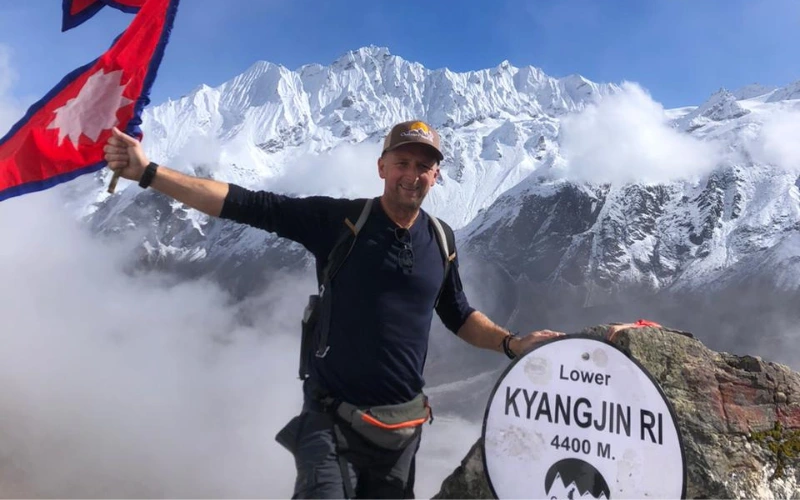
Safety is the first concern for many travelers, but Nepal offers much more than that. This is a country where the tallest mountains stand beside deep cultural traditions and rich natural beauty. From the snowy peaks of the Himalayas to the warm plains of the Terai, every region has something unique.
Adventure lovers will enjoy the classic Everest and Annapurna treks. For quieter routes, Manaslu and Langtang offer peace along with stunning scenery. If wildlife interests you, Chitwan and Bardia National Parks offer chances to see rhinos, elephants, and sometimes the Bengal tiger.
Culture lovers can explore the UNESCO-listed Durbar Squares in Kathmandu Valley, stay with Indigenous families in homestays, or visit Lumbini, the birthplace of Buddha. Everywhere you go, the experiences feel real and connected to the country’s heritage.
The People of Nepal – Warm Hearts and Welcoming Smiles
The beauty of Nepal extends not only to its mountains but also to its people. Nepali culture values kindness, respect, and generosity, which are evident in daily life. A guide may share a story on the trail, turning a simple walk into a memory you carry home.
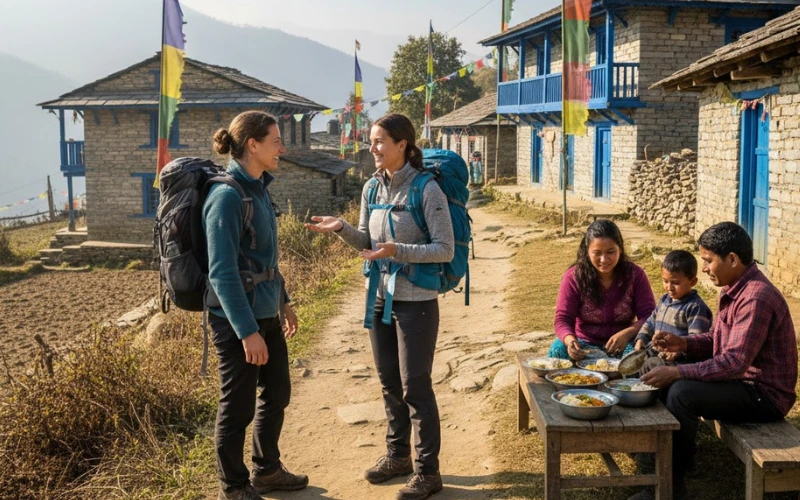
In small villages, families offer home-cooked meals that make travelers feel like part of their community. Even in Kathmandu, a shopkeeper’s smile can make you feel welcome.
Travelers often speak about the friendships they make here.
A solo traveler on the Mardi Himal Trek said her guide, Kapil, and porter Pradeep kept her safe and made her laugh along the way.
Another traveler, Jane, who walked the Manaslu Circuit with Outfitter Nepal, praised her guide Ravi for his care and professionalism.
A group trekking to Annapurna Base Camp shared how their guides and porters treated them like family, helped adjust their pace, and made sure everyone felt supported.
These stories show why Nepal leaves such a deep mark on travelers. The kindness you meet here is real and consistent, making every journey feel personal and warm.
Your Journey to Nepal – A Simple Practical Guide
Planning a trip to Nepal is easier when you know what to expect. The country’s systems for visas, transport, and communication are traveler-friendly. Once you understand the basics, you can focus on enjoying the mountains, temples, and friendly locals.
Here are the simple essentials:
- Visa: Available on arrival at Tribhuvan International Airport or online through e-visa. Valid for 15, 30, or 90 days.
- Currency: Nepalese Rupee (NPR). Carry cash for rural areas and use only authorized counters for exchange.
- Transportation: Domestic flights connect major trekking areas like Lukla and Pokhara. For road travel, tourist buses and jeeps are most reliable.
- City Travel: Taxis are easy to find. Agree on the fare before the ride. Private transfers are also offered.
- Preparation: Bring passport photos for permits, pack for mixed weather, and download offline maps.
- Connectivity: Local SIM cards are cheap and easy to get at the airport or in city shops.
With these steps, your travel across Nepal becomes smooth and simple.
 Subscribe to my YouTube channel
Ready for Your Trip? Why Nepal Fits Your Next Adventure – Final Thoughts
Nepal offers a mix of safety, adventure, and rich culture that pulls travelers from every part of the world. Even after recent events, the tourism sector continues to stand strong. Trekking routes are open, cultural sites welcome visitors, and the national parks stay active. Guides, hotels, and local communities work with care, and this steady effort keeps Nepal travel safety clear and reliable.
The country has a rare balance of adventure and true cultural connection. You can walk under the world’s tallest peaks, cross old bridges covered with prayer flags, and enjoy views that stay with you for years. Beyond the mountains, you can share food with local families, watch age-old rituals, and feel the calm rhythm that shapes daily life.
Many travelers say the people are the reason they return. With the right planning, a good travel team, and simple safety steps, your trip becomes a blend of peace and excitement. This mix is what keeps Nepal travel safety strong and trusted.
If Nepal has been on your list, this is a good moment to go. The mountains stand ready, the culture is alive, and the people are eager to welcome you. Your visit will be safe, full of meaning, and filled with memories that stay close to your heart.
Nepal is waiting for you.
FAQs
Yes, in most trekking areas, a licensed guide is required by law. A guide helps with safety, navigation, and altitude awareness, and also makes the trip more enjoyable.
Everest View Trek, Poon Hill, Langtang Valley, and Annapurna Base Camp are popular choices for first-time trekkers.
Yes. Visa on arrival is available at Tribhuvan International Airport. You can choose a 15, 30, or 90-day visa.
Most travelers choose autumn (September to November) or spring (March to May) for clear skies, good weather, and great trekking conditions.
It can happen on high-altitude treks. Rising slowly, drinking plenty of water, and taking acclimatization days help prevent it. Guides are trained to spot symptoms early.
Choose a policy that covers high-altitude trekking, medical care, and helicopter rescue. Many regular travel policies do not include this.
Domestic flights, tourist buses, and jeeps are the easiest ways. Inside cities like Kathmandu and Pokhara, taxis are common.
Yes. Many solo travelers visit Nepal each year. With a licensed guide and basic planning, solo travel feels safe and comfortable.
Yes. Popular areas like Everest, Annapurna, Langtang, and Manaslu are open and safe. Tourist hubs such as Pokhara are also welcoming visitors.

- Be Respectful
- Stay Relevant
- Stay Positive
- True Feedback
- Encourage Discussion
- Avoid Spamming
- No Fake News
- Don't Copy-Paste
- No Personal Attacks
- Be Respectful
- Stay Relevant
- Stay Positive
- True Feedback
- Encourage Discussion
- Avoid Spamming
- No Fake News
- Don't Copy-Paste
- No Personal Attacks
